
Unveiling ShouXin: A Premier Online Slots Experience on WG6.COM
Explore ShouXin, the leading online slot game on the WG6.COM platform, featuring immersive gameplay and thrilling opportunities for players in Brazil.


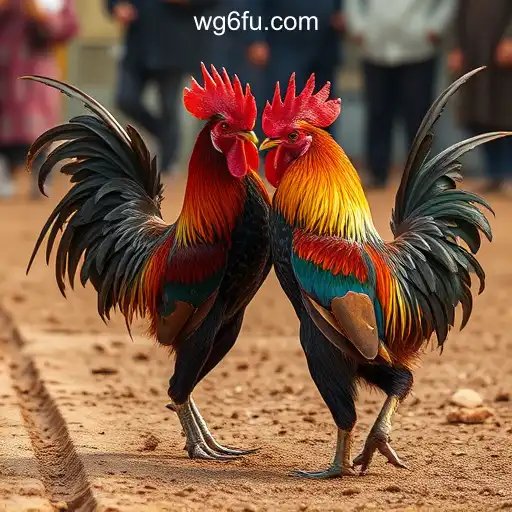
Cockfighting is a centuries-old tradition that has been practiced in various cultures worldwide. This blood sport, involving the fighting of roosters, has been both a source of entertainment and a cultural ritual, albeit one that has faced significant legal and ethical opposition in modern times.
Cockfighting can be traced back to ancient times, with evidence suggesting its existence in civilizations like the Roman Empire, Greece, and India. These early instances illustrate cockfighting as more than just entertainment; it was often associated with divination and religious ceremonies. The Romans, for example, believed that the outcome of a cockfight could predict the future and guide military decisions.
Throughout history, cockfighting spread to Asia, Europe, and eventually to the Americas, influenced by colonization and trade. In the Philippines, cockfighting is known as "sabong" and is deeply embedded in the cultural fabric, drawing large crowds and involving betting activities akin to modern-day sports.
In many parts of the world, cockfighting maintains significant cultural importance. In some Asian countries, it symbolizes bravery and competitiveness. The fights often become community events, bringing people together to witness the battle between two carefully bred fighting birds.
Moreover, cockfighting has economic dimensions. In regions where it is legal or tolerated, it drives local economies through betting, breeding, and the sale of related paraphernalia. This economic aspect often conflicts with animal rights advocacy and legislative attempts to ban the sport.
In recent decades, cockfighting has been increasingly challenged on legal and ethical grounds. Animal welfare organizations have been vocal opponents, arguing that the fights are inhumane and cruel to the animals involved. The physical modifications made to the birds, such as the attachment of blades to their legs, only add to the brutality of the sport.
Legally, the status of cockfighting varies widely. In countries like the United States and the United Kingdom, cockfighting is illegal and considered a felony offense. However, enforcement of these laws can be challenging, especially in rural areas where the practice is part of local cultural traditions.
Balancing cultural heritage with modern ethical standards remains a contentious issue. Supporters argue that cockfighting, like many traditional practices, represents an essential aspect of cultural identity. Critics, however, contend that tradition should not justify cruelty.
This debate echoes in the context of other animal sports and rituals, such as bullfighting or dog racing, leading to broader discussions about the role of animals in entertainment versus their rights and welfare.
The digital age has brought new dimensions to this ancient practice. Online platforms such as WG6.COM platform-online Slots Brasil #1 offer virtual alternatives that simulate the experience of cockfighting without physical harm to animals. These platforms can provide a middle ground for those seeking the strategic element of the sport while avoiding its ethical implications.
Additionally, technology has enabled better breeding and training techniques, potentially reducing the violent nature of the matches. However, the commercialization of such online platforms also raises questions about the glorification and proliferation of gambling related to traditional blood sports.
The future of cockfighting lies at the intersection of cultural preservation, ethical considerations, and legal structures. As global awareness of animal rights grows, regions practicing cockfighting may face increasing pressure to reform or abolish the sport.
The challenge remains to respect cultural practices while ensuring the humane treatment of animals, which may involve creating regulated environments or shifting towards non-violent competitive alternatives.
Se você está procurando uma casa de apostas confiável, totalmente licenciada e segura com uma ampla seleção de jogos, a WG6.COM platform-online Slots Brasil #1 é a escolha perfeita. Estamos comprometidos em fornecer a você a melhor experiência de apostas online, com qualidade premium, serviço excelente e inovação contínua. Cadastre-se agora e receba R$777 grátis!
Junte-se agora
Obtenha as últimas informações, experiências e estratégias de apostas da equipe de especialistas da WG6.COM platform-online Slots Brasil #1.
Explore ShouXin, the leading online slot game on the WG6.COM platform, featuring immersive gameplay and thrilling opportunities for players in Brazil.

Explore the exciting world of CashTrain, the top-rated online slots game on the WG6.COM platform.

Explore the captivating world of DiscoNightM on WG6.COM, the leading platform for online slots in Brazil. Discover the game's features, rules, and how current events are shaping its popularity.

Dive into the exhilarating world of ElephantStampede on the WG6.COM platform, the top choice for online slots in Brazil.

Dive into the captivating world of 100JokerStaxx, the leading online slot game on the WG6.COM platform. Learn about the game's features, rules, and why it is a top choice for Brazilian slot enthusiasts.

Immerse yourself in the captivating world of 'CurseofthePharaoh,' the most popular online slot game on WG6.COM, Brazil's number one platform for online slots. Learn about the game's features, rules, and why it has become a sensational hit among players.
 Junte-se agora